Tip #23: Avoid Sleeping Pills Unless Prescribed by a Doctor
- How to Wake Up Early
- Tips , Health
- February 7, 2026
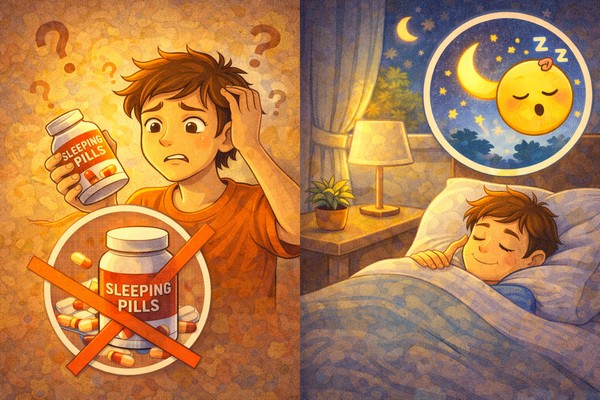
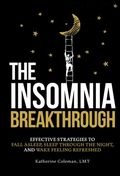
Unfortunately, when looking for ways to improve the quality of sleep and solve sleeping problems, many people immediately turn to sleeping pills and other medications, without even consulting a doctor.
Why is it a bad idea? Because you might be trying to treat the symptom, not the cause. There may be other, healthier ways to solve these issues that you could try first, and you should definitely talk to a doctor who would recommend the best option, individually for you.
If you suffer from insomnia or other sleeping problems, sleeping pills should be your LAST resort, ONLY if prescribed by a doctor and only following doctor’s instructions.
Your sleeping issues may be caused by a number of reasons. You should focus on finding out what those reasons are and addressing them – by changing your habits, changing your thinking and sometimes changing your whole lifestyle.
I won’t go into details on why sleeping pills can be bad. I have recently run into a whole site on this subject – The Dark Side of Sleeping Pills – that I advise you to check. My suggestion is to avoid the medications and treat yourself in a natural way – by changing your habits. Understanding how sleep works is a great starting point.
Bad Habits That Cause Sleeping Problems
Very often our sleeping problems are caused by bad habits we stick to. Start with analyzing your regular daily activities and how they may affect your sleep. Here is a list of just a few bad habits that may cause sleeping ailments. See how many of these are true for you and do what you reasonably can to get rid of them:
- You wake up late
- You drink coffee after midday
- You eat before going to bed
- You drink energizing drinks a lot (cola, alcohol)
- You take long naps midday
- You do not exercise your body and spend most of the day sitting at your desk
- You spend very little time outdoors
- You watch scary TV movies
- You worry a lot about things you have no control over
There are many tips on this website that will help you overcome these bad habits and acquire new good ones. Some of the tips are focused and target one specific habit. Many tips are “universal” and can be applied to any habit, even those that are not sleep related.
What you should remember is that YOU are the boss and YOU have the power to change ANY habit, if you have passion for this change and if you are disciplined and consistent in your actions.
Sleeping Pills and Early Rising
Why may sleeping pills be bad for early rising? Sleeping pills work by depressing the central nervous system, and they may still stay in effect after you wake up. If you think you would sleep well after taking sleeping pills and wake up energized, you’ll be surprised as your morning state may be quite the opposite. Sleeping pills are known to have a number of side effects. Sleeping pills may be addictive, too.
So if you want to wake up early and start your day full of energy, sleeping pills are probably not for you.
Disclaimer: This post is not medical advice. Please be sure to consult your doctor before making any health-related decisions.
Recommended Reading
- Sleep Aids: Understand Options Sold Without a Prescription — Mayo Clinic
- Sleep Aids — Johns Hopkins Medicine
- Sleeping Pills and Natural Sleep Aids — HelpGuide